

The Real Cost of COD in Indonesia, Returns, Failed Deliveries, and How to Reduce Them
Discover the real cost of COD in Indonesia beyond shipping fees—covering failed deliveries, returns, cash flow cycles, a reduction framework, and key metrics to track.
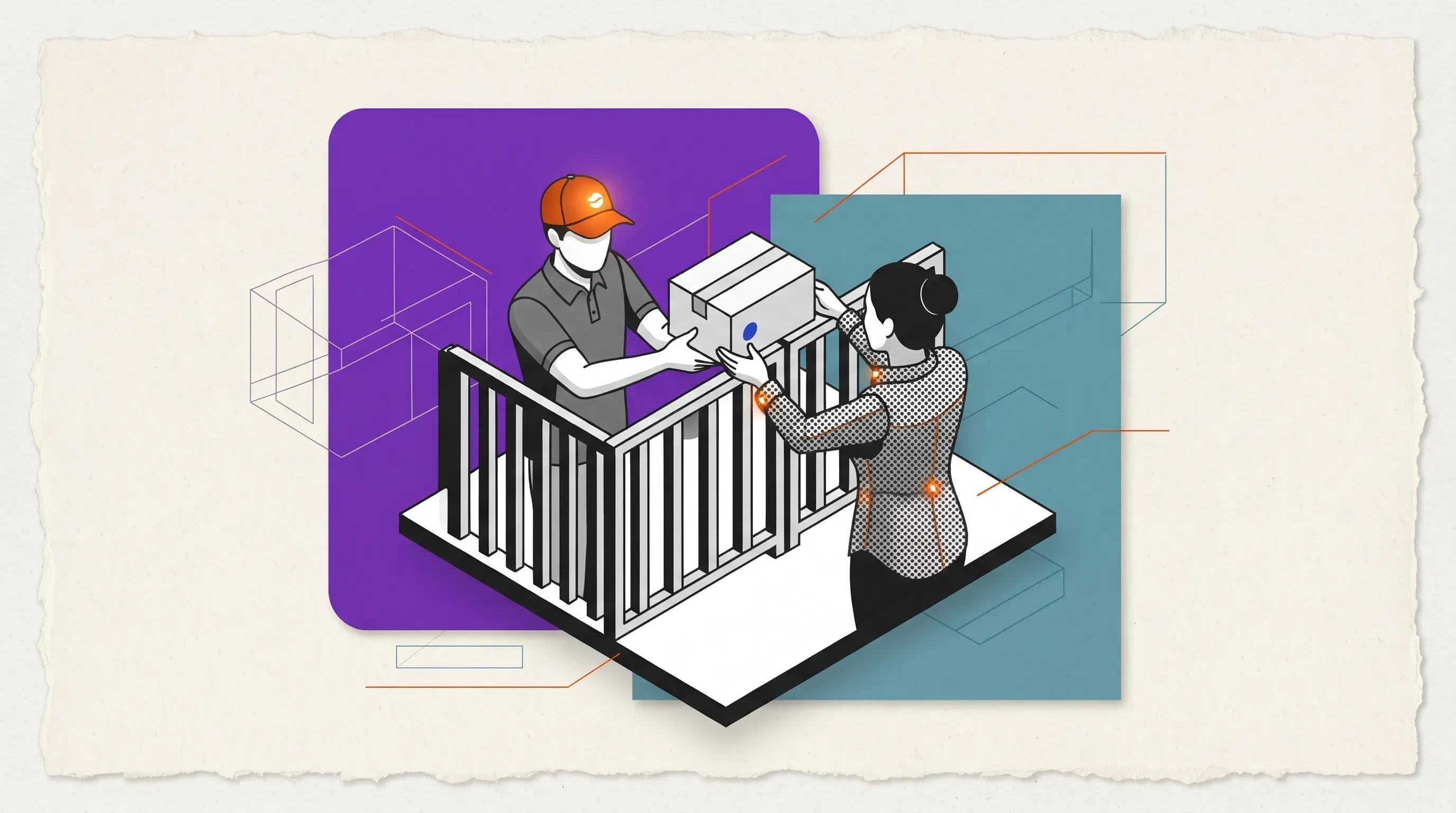
Cash on Delivery (COD) can boost conversion in markets where shoppers prefer paying upon arrival, but its real cost often sits outside the base shipping rate. Failed deliveries, return-to-origin (RTO) handling, tied-up inventory, and cash-flow delays can erode margins fast as order volume scales, making per-order unit economics and tight operational controls essential.
Many founders and operators treat Cash on Delivery purely as a growth lever to unlock first-time buyers. While COD lowers payment friction at checkout, it shifts collection risk and reverse-logistics friction onto the seller. Without tracking total cost per order and cash settlement timing, rising COD volume can create profit pressure even when top-line revenue looks healthy.
Why COD Strains Cash Flow as Order Volume Grows
COD changes the timing of working capital. Under prepaid methods, payment is captured at checkout; under COD, cash is collected only when the courier completes delivery and must then move through courier remittance and reconciliation before reaching your account.
When order volume grows, two pressures compound:
- Delayed Liquidity: Inventory leaves your warehouse and shipping costs are incurred upfront, while cash inflows lag behind order fulfillment.
- Compounding Reverse Logistics: Every undelivered order ties up product stock in transit back to your warehouse while generating extra operational touches that do not convert into final revenue.
What One Failed COD Delivery Really Costs You
Evaluating a single failed COD order by looking only at the outward shipping fee understates the impact on your business. A practical per-order cost view accounts for four areas:
- Round-Trip Shipping Exposure: Outbound delivery and return-to-origin movement represent logistics spend without a completed sale, subject to the applicable terms and courier policies.
- Repacking and Handling Labor: Returned parcels require receiving checks, quality inspection, and repacking before items can be restocked, consuming warehouse hours during peak periods.
- Stock Tied Up in Return Transit: While a parcel is on its way back, those units cannot be sold to other customers, creating stockout risk on fast-moving SKUs.
- Unrealized COD Cash: A failed delivery means expected cash collection never materializes for that order, while fulfillment and support resources were still spent processing it.
A Framework to Reduce COD Losses
Reducing COD losses requires tightening operational discipline across the order lifecycle rather than relying on guesswork:
- Address Validation: Standardize complete recipient addresses, landmarks, and active phone numbers before dispatching so couriers do not lose time on incomplete locations.
- Pre-Shipment Confirmation: Confirm order details, item quantity, and payment readiness before handing parcels over, especially for first-time buyers or higher-ticket baskets.
- Courier Selection: Match courier choice to route reliability, service coverage, and operational performance rather than defaulting to a single option across all areas.
- Payout Reconciliation: Match delivered statuses, COD collected amounts, deductions, and bank settlements systematically so discrepancies are caught early.
How to Measure the Savings
To verify whether your COD controls are working, review three core metrics consistently per period:
- Failed Delivery Rate: Share of COD shipments that fail delivery or return to origin out of total COD orders dispatched.
- Return Cost Per Order: Total reverse-logistics, handling, and associated order costs divided across orders to see the true unit drag on margin.
- Cash Cycle Days: Average elapsed time from order dispatch or delivery completion until COD funds are settled and usable in your operating cash balance.
Protect Your Margins on COD Operations With Biteship
Managing COD at scale works best when order fulfillment, courier selection, return visibility, and operational reporting sit in one connected workflow. Through Biteship's shipping dashboard and COD capabilities, merchants can streamline order management and monitor delivery and return workflows more systematically.
If you want to evaluate how to structure COD and return operations for your business, contact our sales team to discuss your shipping volume and operational setup.
FAQ About Real Cost of COD in Indonesia
What Is a Healthy COD Failure Rate?
There is no single universal benchmark across every category or region because failure rates vary by product type, buyer familiarity, address quality, and courier performance. Track your own baseline by lane and product segment and focus on steady week-over-week reduction.
Who Pays for Returned COD Parcels?
Responsibility for return fees, shipping charges, or claims depends on the courier's terms and conditions, platform rules, and merchant agreements. Always verify current courier terms and service policies before setting customer or internal cost rules. On Biteship, the COD fee is not charged on a returned package, while the delivery shipping cost still is, and any return fee follows the courier's policy.
How Fast Does COD Cash Settle?
Settlement speed varies by courier, payment/remittance workflow, and reconciliation schedule rather than following a single fixed timeline across all shipments. Monitor actual payout intervals per courier in your operational reporting. For Biteship shipments, the COD fund disbursement guide explains how the available, held, and in-process balances work.
Should COD Be Limited to Certain Orders?
Many merchants apply risk or eligibility rules, such as reviewing high-value orders, repeat rejections, or specific areas, when failure rates or return costs affect unit economics. Align any restrictions with conversion goals and customer support capacity.
How Do I Reconcile COD Payouts?
Export shipment status logs alongside remittance statements, match each completed delivery against its expected COD collection amount and applicable fees, and flag any pending or mismatched items for follow-up.
About the author

Content Manager
Nur Alfatingsih, Content Manager at Biteship, turns internal data and search analysis into practical shipping guidance that sellers and businesses can find through search engines.
Tags
Related articles

November 17, 2026
Indonesia’s 0.5% Marketplace Tax, Profit or Loss for Online Sellers?
Shopee, Tokopedia, Lazada, and Blibli now withhold 0.5% of seller turnover. For compliant sellers it changes timing, not the total tax.

November 3, 2026
Why Delivery Speed Determines Your Online Store’s Reputation
Discover why delivery speed is the ultimate foundation of your online store's reputation. Learn how to manage marketplace SLAs, implement multi-courier strategies, and automate logistics to secure your trusted seller status.
November 26, 2026
Build or Outsource? The Real Math Behind Fulfillment in Indonesia
Outsourcing fulfillment in Indonesia pays off below your break-even volume. This guide gives the formula, four hidden warehouse costs, and a control framework.